
Illness and flares are a fact of life when you are living with a chronic health condition. Whether a bad cold or a chronic illness flare-up, recovery takes time. Understanding the pattern of recovery can help you manage your energy, give yourself grace, and rebuild.
- Rest
- Recharge
- Reorganize
- Reset
Let’s dive into each stage so you can better understand how to care for yourself and reduce the risk of a relapse.
1. Rest: Surviving the flare
The first step of recovering from illness or flares is simple survival. When the illness or flare-up hits, everything non-essential gets put on hold. You conserve energy, lean on your support systems, and focus on meeting your basic needs.

Rest is not a luxury; it’s the foundation of your recovery.
Resting doesn’t just mean sleep. It’s giving yourself permission to let go of expectations and prioritize your recovery.
Practical tips for resting
- Focus on energy-saving strategies like pre-prepped meals
- Lean on your support system for tasks that you are not able to do
- Center the Bare Minimum Health Plan: the tiny goals that keep you going, let brushing your teeth, hydration, and simple meals be a win.
Only your most ingrained habits will survive in their smallest, Bare Minimum form. You’ll likely still be able to brush your teeth, but even the most dedicated runner will take a break from their runs, as they should.
Remember, recovery doesn’t mean pushing through — it means giving your body what it needs to heal. “Productivity” in this stage means resting.
2. Recharge: Regaining Energy After Illness
Once the worst has passed and you start to feel better, you’re not out of the woods yet. Now that you are in the recharge stage, your energy will slowly rebuild as you avoid setbacks.
Recharge your body and mind by pacing yourself and embracing rest as progress.
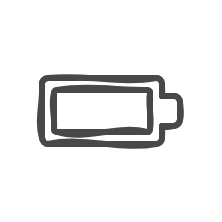
It is tempting to jump right back into routine as soon as you feel a little bit better, but recovery isn’t a light switch. This phase is the most frustrating. It feels like an “in-between” stage where you can start doing more, but you’re far from 100%. Your energy and capacity is still limited and you hit the wall much sooner in the day.
How to recharge after a chronic illness flare-up
- Listen to your body: Rest as soon as you start to feel tired; don’t wait for the crash.
- Pace yourself: Balance light activities with breaks to avoid setbacks.
- Focus on nourishment: Support your recovery with simple, nutrient-rich meals and hydration.
Remember, this stage is about recharging your battery. You’re not at full power yet, so give yourself time to plug in and restore your energy by resting and nourishing your body well.
Practice Self-Compassion
This stage is frustrating because you almost feel okay, you want to get back to normal. But you can’t force it. If you push too hard, you just hit the wall and you’ll be stuck here even longer.
Let go of any shame that may be coming up and remind yourself that this is all just part of the process of recovery.
Kristin Neff is the foremost researcher on self-compassion and her website has many helpful exercises and resources. In particular, this self-compassion meditation guides you through a perceived inadequacy: https://self-compassion.org/practices/self-compassion-loving-kindness-meditation/
3. Reorganize: Catching Up Without Overwhelm
Once you’ve physically recovered, it is time to catch up. As you look at the tasks that you had to let go — the laundry, dishes, work tasks, errands — you may feel overwhelmed. Particularly if the illness or flare lasted for a few weeks or more.
Reorganize your priorities with kindness—small steps lead to big shifts.
To avoid burning out and relapsing back to an earlier stage of recovery, Reorganize with intention:
- Break tasks into small, manageable chunks
- Prioritize the most important items
- Let go of shame of what didn’t get done — Taking care of yourself was essential and you did what was needed.
- Remember that reorganizing is an act of self-care
Reorganizing isn’t just about catching up, it’s about creating a plan to get back on track without overloading yourself.
4. Reset: Preparing for the Next Flare or Illness
Reset your habits with intention and prepare for future challenges with grace.

Once you’ve fully recovered, it is time to reset and move forward. It is tempting to just move past the illness or flare, but these are facts of life. You will give sick again. If you have a chronic illness, you’ll likely have a flare again. So let’s reset and prepare for future flares or illness.
How to reset after a chronic illness flare-up:
- Restart health habits that you put on pause, like gentle movement or home-cooked meals
- Reflect on your recovery: What worked? What was challenging?
- Prepare for next time by creating a plan, meal prepping, and making lists to help your support system help you
Resetting is about embracing the fresh start, bringing forward the lessons learned to better navigate the ups and downs of life.
Final thoughts:
Recovery from a flare or illness takes time and patience. By embracing the 4 stages of recovery — Rest, Recharge, Reorganize, and Reset — you can support your body, manage your energy, and bounce back more easily.
Each stage is an act of self-care, honoring your body’s needs while accepting and preparing for life’s ups and downs.