
Well, despite the title, I’ll go ahead and say it upfront: the Mediterranean Diet is what I recommend as a baseline for my clients. More specifically, I recommend using a Wise Mind approach to combine mindful eating with the Mediterranean Diet. But why?
Let’s dive right in.
What Is the Mediterranean Diet and How Does It Work?
In other words, what the Mediterranean Diet means for arthritis and chronic pain.

When we talk about the Mediterranean Diet, it is often traced back to the work of Ancel Keys. However, he was merely the first to get credit for describing it in scientific literature. The history of this diet goes back far further in various traditions, and there are some problems with the original research, to put it mildly. (I’d recommend reading this article for a better explanation than I could give.)
The Mediterranean Diet, as a term, has evolved from these roots of an observed pattern of eating in a healthy population to a formula used in research studies. Researchers provide participants with lists of foods to include or avoid, along with daily quantities to consume.
In short, for most people in North America, adopting a Mediterranean-style diet means shifting to a more plant-based and whole foods approach:
| Avoid or Limit | Moderate Intake | Increase |
|---|---|---|
| Red meat (including pork1) | Poultry | Fruits & vegetables |
| Processed foods and sweets | Dairy | Olive oil |
| Eggs | Fatty fish | |
| Nuts and seeds | ||
| Legumes |
Get Your Free Anti-Inflammatory Mediterranean Diet Guide
A printable 2-page PDF with a weekly template meal plan for you to make your own. Pefect for arthritis-friendly meal planning, even when you are exhausted and in pain.
How the Mediterranean Diet reduces inflammation and supports arthritis relief
The Mediterranean Diet helps with inflammation in a couple of ways, but first, let’s get on the same page about inflammation. Inflammation is an essential process in your body. You need some inflammation to help you fight off infections and heal wounds. The problems arise when inflammation is high and there is nothing for it to fight. This leads to damage to your body.
The key is balance, as always. We want inflammation when it is needed, and for it to resolve when the job is done.
If you want to dive deeper into key nutrients that impact inflammation, I wrote about it in this article about the anti-inflammatory diet for arthritis.
How does the Mediterranean Diet compare to other anti-inflammatory diets?
In research studies, the Mediterranean Diet is described by a number of servings in each food group, though the specific groups and numbers vary somewhat. They often specify that you should have 4 tbsp of olive oil per day, for instance. While performing research, it is essential to have precise definitions and, ideally, for research participants to follow as closely as possible. This is a part of the scientific process and allows for statistical analysis.
However, in practice outside of research studies, the Mediterranean diet is less restrictive than many anti-inflammatory diet protocols. Even within the strict definitions used by researchers, there is a high amount of flexibility to choose foods and recipes that you actually enjoy.
Another benefit of choosing the Mediterranean Diet as an anti-inflammatory approach is the wealth of research showing benefits for overall health. From cardiovascular disease to diabetes and even dementia, the Mediterranean Diet has been shown to have a multitude of benefits for human health.
While several specific nutrients have mechanisms that contribute to the anti-inflammatory and overall health-promoting benefits, the benefits likely come from the overall pattern. The interactions between the nutrients and the enjoyment that comes from eating good food are integral parts of the Mediterranean diet.

Mediterranean Diet Benefits for People with Arthritis
Several studies have looked into the effects of specific nutrients and ingredients on inflammation in the context of arthritis. These include omega-3 fats, olive oil, and turmeric, among others. Other studies have investigated which diet, lifestyles, and genetics increase the risk of developing arthritis.
In both cases, we see that the Mediterranean diet can help reduce the risk of developing arthritis and help reduce symptoms, making it one of the best anti-inflammatory diets for arthritis. However, it is important to remember that we’re talking about a reduction, not a prevention or cure. How much benefit you see will vary, and you may (likely) still have the occasional flare-up of symptoms.
There are several ways the Mediterranean Diet can benefit your joint pain:
- Omega-3 Fatty Acids: Found in fish, nuts, and seeds, these fats reduce the production of inflammatory molecules and moderate immune cell function.
- Polyphenols and Antioxidants: Abundant in olive oil, fruits, vegetables, and herbs, polyphenols help neutralize free radicals and suppress inflammatory pathways at the cellular level.
- Monounsaturated Fats: Olive oil, the primary fat in the Mediterranean Diet, contains oleic acid and phenolic compounds that lower inflammation and may protect joint cartilage.
- Fiber and Gut Health: High-fiber foods foster a healthy gut microbiome, which in turn can reduce inflammation, as recent research is beginning to understand. [Footnote: I’ve got an article diving into gut health and arthritis on the docket, so be sure you’re on the newsletter to hear when I complete that one!]
Can an anti-inflammatory diet improve mental health?

People with arthritis have a higher incidence of mental health concerns — having chronic pain and fatigue is a source of stress. And several studies have looked into the effect of diet on mental health. So is there a chance that the Mediterranean Diet can help both arthritis symptoms and mental health?
There is a possible connection between depression and inflammation, though not all studies find a link. If inflammation does increase the risk or severity of depression, then an anti-inflammatory diet may help. It certainly wouldn’t hurt!
More importantly, there is a cyclical relationship between pain and depression. When you have pain, your mental health suffers. Depression also increases sensitization of the nervous system — in other words, pain can feel more intense if you have depression. (I recently read The Pain Project and found it an excellent read on the experience of life with chronic pain, and it has some great information, including on sensory sensitization.)
Arthritis, Heart Health, and Inflammation
Did you know that people with arthritis are at increased risk of heart disease?

Guess what the Mediterranean Diet is practically famous for? That’s right, reducing the risk of heart disease! It is also consistently shown to reduce the risk of overall mortality for people with existing cardiovascular disease.
A family history of heart disease or other risk factors and arthritis just give additional reasons to build a healthy lifestyle, and the Mediterranean Diet could be a keystone piece.
Can the Mediterranean Diet Help All Types of Arthritis? (Rheumatoid, Osteoarthritis, Psoriatic arthritis, and more)
In case you’ve gotten this far without knowing it, there are several different types of arthritis. In fact, there are more than 100 kinds of arthritis! The two most common ones are osteoarthritis and rheumatoid arthritis, though they are far from the only ones!
The Mediterranean Diet is considered a well-supported anti-inflammatory approach for joint pain and arthritis for both osteoarthritis and rheumatoid arthritis. However, all the studies I have read lead me to conclude that it would likely help all types of arthritis. If for no other reason than the heart health benefits!
Modifications for People with Food Sensitivities
Now, many of you reading this may be wondering how this fits together with your other dietary needs. How can I follow the Mediterranean diet for arthritis when I have allergies?
Many of my clients with arthritis also have digestion concerns or food sensitivities. The good news is that the Mediterranean diet is quite adaptable. If you don’t tolerate wheat, use one of the many alternatives. If you can’t tolerate tomatoes, there are plenty of other vegetables that you can fill your plate with.
Isn’t the Mediterranean Diet expensive?
Some ingredients that are considered classics in the Mediterranean diet can be pricey, depending on where you live. Salmon, for instance, may not be available in smaller grocery stores or may be quite pricey. On the other hand, in a larger center or closer to the source, you may find it for a very reasonable price.
However, given the focus on plant foods such as beans, you can easily make budget-friendly swaps. In the standard North American diet, meat is the most expensive part of the diet. By cooking beans instead of meat a few times a week, you can see a meaningful reduction in your grocery bill!
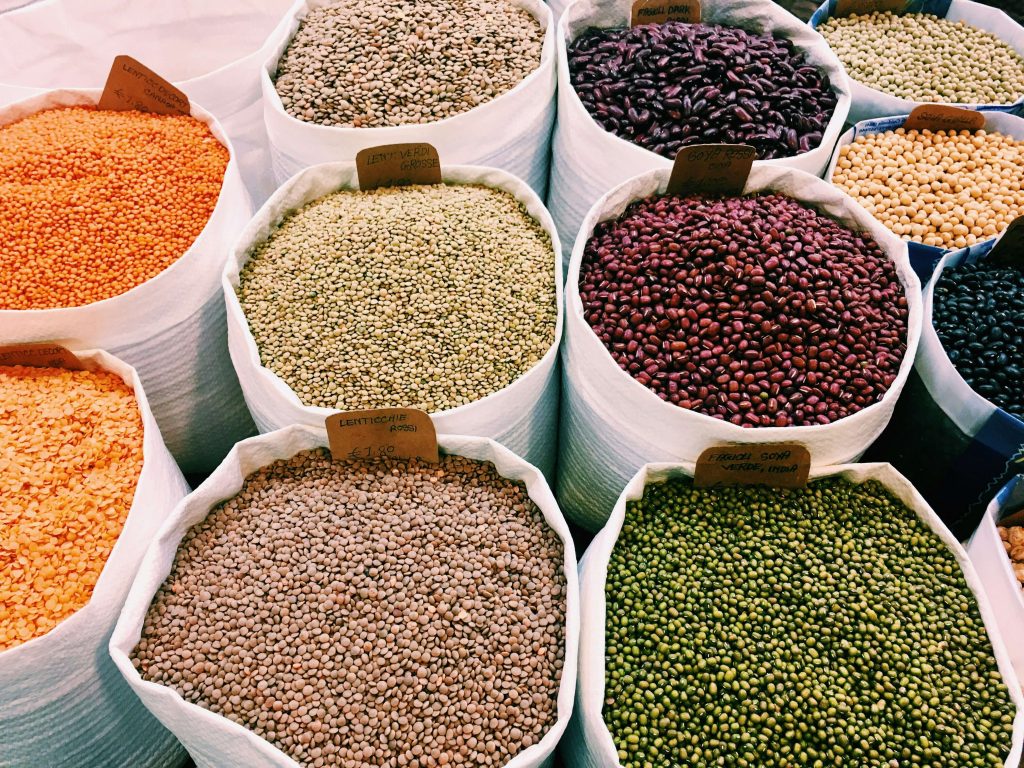
P.s. If you would like me to write more about food sensitivity diet alterations or budget-friendly recipes, be sure to let me know. Just hit reply on any newsletter from me or send in a comment!
What Makes the Mediterranean Diet a Gentle Fit for Chronic Conditions?
Around here, we’re all about Bare Minimum Health: taking small steps and focusing on the habits and changes that have the largest impact on your life and well-being. The Mediterranean diet is a great fit for this philosophy:
- No calorie counting, no strict rules
- Flexible, forgiving, and flavorful
And because it is based on whole foods, it provides consistent energy through the day — as opposed to spikes and crashes you may see in a more processed diet.
Tips for Starting an Anti-Inflammatory Diet for Arthritis Relief

So, how do you start an arthritis diet plan like the Mediterranean diet? Take Bare Minimum Steps, of course!
If we assume that you eat like an average North American, there are several opportunities for improvement as you move towards a Mediterranean style of eating.
Spend a few moments to consider your eating over the past couple of days non-judgmentally. The non-judgment piece is important because shame isn’t a great motivator. If you’re having trouble getting to that place, I’d recommend starting with mindful eating, rather than trying to engineer a specific diet change.
If you are able to look at your current habits non-judgmentally, think about small opportunities that would take you one little step closer to the Mediterranean diet.
- Reduce red meat consumption by replacing it with beans, fatty fish, or poultry
- Swap out a sugary sweet treat with some fruit
- Incorporate more vegetables into recipes you are already cooking, such as tossing in grated carrots, frozen vegetables, or beans.
For a Mediterranean diet template meal plan, be sure to fill out the form at the bottom!
My Take: Is the Mediterranean Diet The Best Diet for Arthritis?
If you’ve scrolled down this far without reading everything else, the tl;dr is that I really do think the Mediterranean diet is the best pattern of eating for most people, but especially those with arthritis. The weight of research behind it is hard to beat.
However, “Best” is personal — the “best” exercise and the “best” recipes are the ones that you will actually do and eat. The way I approach the Mediterranean diet is quite flexible, focusing on the food groups and the overall balance, rather than a specific cuisine or ingredient.
As always, the best answer for you will come from experience and listening to your body. The Mediterranean diet guide may say that you need at least 3 servings of fish each week, but if you don’t like fish at all, if you’re allergic, or if you can’t find a budget-friendly source, then you can adapt as you need to.
You can, and should, make it your own. To get you started, be sure to get the free Anti-Inflammatory Mediterranean Diet Guide below!
Key resources used in writing this article:
- How the Seven Countries Study contributed to the definition and development of the Mediterranean diet concept: A 50-year journey [Journal Article]. Nutrition, Metabolism and Cardiovascular Diseases, March 2015, Volume 25, Issue 3, Pages 245-252. https://www.sciencedirect.com/science/article/abs/pii/S0939475314003470
- I’m a Dietitian with Syrian Roots—This Is the Mediterranean Diet That I Know and Love [Website]. EatingWell. https://www.eatingwell.com/longform/8059162/dietitian-syrian-roots-mediterranean-diet/
- Depression in Psoriatic Arthritis: Dimensional Aspects and Link with Systemic Inflammation [Journal Article]. Rheumatology and Therapy, April 2020, Volume 7, Issue 3, Pages 287-300. https://pmc.ncbi.nlm.nih.gov/articles/PMC7211219/
- Arthritis and Heart Disease [Website]. Arthritis Foundation. https://www.arthritis.org/health-wellness/about-arthritis/related-conditions/other-diseases/arthritis-and-heart-disease
- Mediterranean Diet for Primary and Secondary Prevention of Cardiovascular Disease and Mortality: An Updated Systematic Review [Journal Article]. Nutrients, 2023, Volume 15, Issue 15, Article 3356. https://www.mdpi.com/2072-6643/15/15/3356
- The effect of an anti-inflammatory diet on chronic pain: a pilot study [Journal Article]. Frontiers in Nutrition, 2023, Volume 10. https://www.frontiersin.org/journals/nutrition/articles/10.3389/fnut.2023.1205526/full
- Definition of the Mediterranean Diet; A Literature Review [Journal Article]. Nutrients, 2025, Volume 7, Issue 11, Pages 9139-9153. https://www.mdpi.com/2072-6643/7/11/9139
- The Mediterranean diet and health: a comprehensive overview [Journal Article]. Journal of Internal Medicine, Sept 2021, Volume 290, Issue 3, Pages 549-566. https://onlinelibrary.wiley.com/doi/full/10.1111/joim.13333
- Food pyramid for subjects with chronic pain: foods and dietary constituents as anti-inflammatory and antioxidant agents [Journal Article]. Nutrition Research Reviews, 2018, Volume 31, Issue 1, Pages 131-151. https://www.cambridge.org/core/journals/nutrition-research-reviews/article/food-pyramid-for-subjects-with-chronic-pain-foods-and-dietary-constituents-as-antiinflammatory-and-antioxidant-agents/9B883820D42C03CAC0029BB554AAECBF
- Mediterranean Style of Eating [PDF]. Alberta Health Services. http://albertahealthservices.ca/assets/info/nutrition/if-nfs-mediterranean-style-of-eating.pdf
- Mediterranean diet pyramid today. Science and cultural updates [Journal Article]. Public Health Nutrition, 2011, Volume 14, Issue 12A, Pages 2274–2284. https://www.cambridge.org/core/journals/public-health-nutrition/article/mediterranean-diet-pyramid-today-science-and-cultural-updates/70359644D12A038AC003B935AA04E120
- Meat can be grouped into 3 broad categories: poultry, seafood, and red meat ↩︎